UPDATE ON JAPANESE KNOTWEED
New guidance on surveyor’s approach to Japanese Knotweed has been released by the Royal Institute of Chartered Surveyors which to come into effect in March 2022.
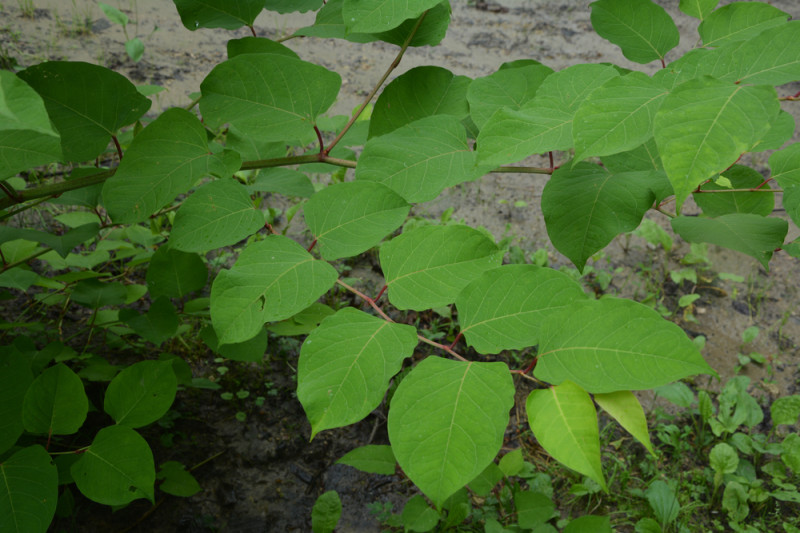

New guidance on surveyor’s approach to Japanese Knotweed has been released by the Royal Institute of Chartered Surveyors which to come into effect in March 2022. Previously, there was a blanket approach known as the ‘seven-metre rule’ used when notifying lenders of any Japanese Knotweed at a property.
Under the new approach, a Management Category Assessment will be carried out by a surveyor where Japanese Knotweed is identified and the surveyor will place the property in one of three categories: Action, Manage or Report. Only where a property is recorded as being in the Action category will a mortgage retention be advised pending a specialist report. In all other cases, it will be recommended that no additional requirements are imposed as a part of the mortgage offer.
This change in approach will ensure that clients are more likely to be able to obtain a mortgage offer on a property affected by Japanese Knotweed.
In the event that the property falls within the “action” category, a conveyancer will be required to ensure the relevant documentation is in hand to meet the lender’s requirements. Please contact our Residential Property Team by emailing info@leathesprior.co.uk or calling 01603 610911 to discuss any conveyancing enquiries.
The full report from the Royal Institute of Chartered Surveyors can be found online: Japanese Knotweed and Residential Property.
















%20copy.jpg)