Jess’s Rule – New Guidelines for GPs
A new initiative is being rolled out across GP practices across England in the hope of preventing serious illnesses being missed by GPs where patients present with the same, or deteriorating, symptoms on multiple occasions. Kimberley Nelson in our Personal Injury & Clinical Negligence Team discusses new guidelines for GPs.

A new initiative is being rolled out across GP practices across England in the hope of preventing serious illnesses being missed by GPs where patients present with the same or deteriorating symptoms on multiple occasions.
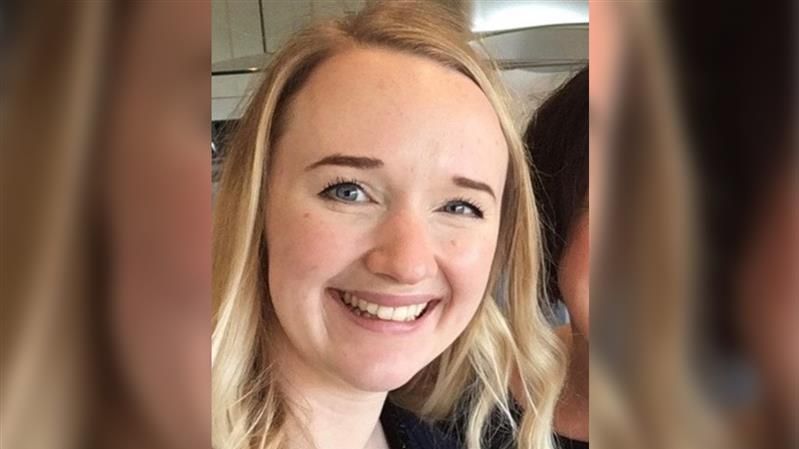
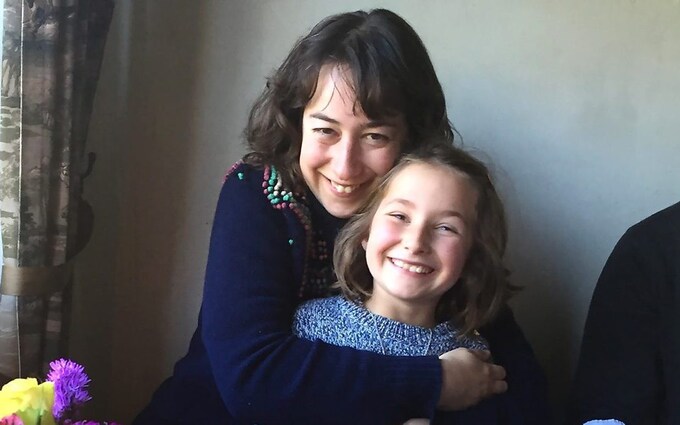
The initiative is named after 27-year-old Jess Brady, who sadly passed away in 2020 from stage four cancer. Jess had first contacted her GP practice in July 2020, yet despite further contact on no less than 20 separate occasions, Jess’s condition went undiagnosed until November 2020, when she received a terminal cancer diagnosis. Jess passed away just three weeks later from adenocarcinoma. It is hoped that Jess’s Rule will provide GP practices with a set of standard practice guidelines for patients who have contacted their GP three times with the same symptoms despite treatment, or where the patient’s health has deteriorated. The guidelines may include calls for additional tests to be carried out, referral to a specialist, or seeking a second opinion from a colleague.
Jess’s Rule is the second of such guidelines to be introduced across the country in recent years, with Martha’s Rule piloted in 143 hospitals in England since 2024, and is now set to be implemented across all hospitals in England.
Martha’s Rule was named after 13-year-old Martha Mills, who passed away in 2021 from sepsis. The Rule enables patients and their family members to raise concerns about the treatment being provided, and to request a second opinion if they feel their concerns are not being taken seriously. Full details of Martha’s Rule are set out in our previous article here.
Leathes Prior will continue to update you on the impact of Jess’s Rule on patient care in England. In the meantime, if you need advice regarding a medical negligence claim, our specialist Personal Injury and Clinical Negligence Team is happy to assist via info@leathesprior.co.uk or by telephone on 01603 610911.














%20copy.jpg)