Good Divorce Week: How can you have an amicable divorce?
This week is Good Divorce Week, an awareness raising campaign run by Resolution; a national group of family lawyers whose aim is to resolve family disputes in as constructive a way as possible in order to aid and encourage agreement.
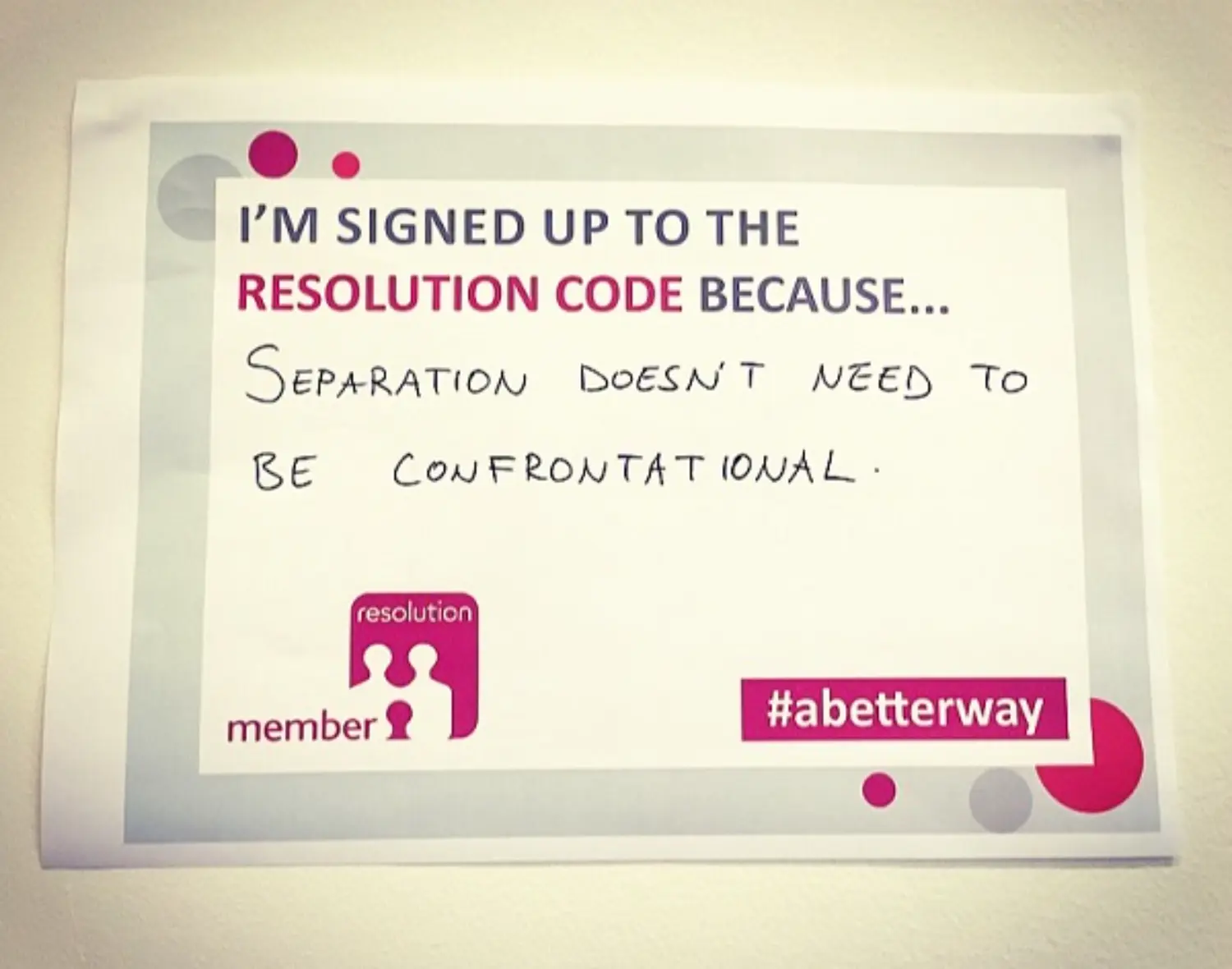

This week is Good Divorce Week, an awareness raising campaign run by Resolution.
Resolution is a national group of family lawyers whose aim is to resolve family disputes in as constructive a way as possible in order to aid and encourage agreement.
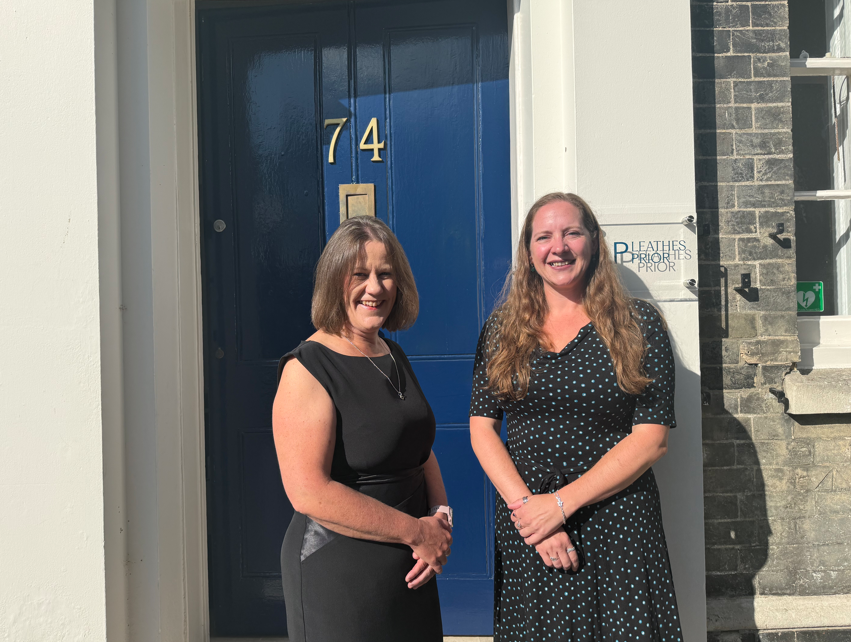
We are proud to have a team of specialist family law solicitors who subscribe to the Resolution code of good practice. A full copy of the Code of Practice can be seen here.
Partner and Head of the Family Team, Alisdair Douglas, is also a member of the Good Divorce Group and is a trained Resolution collaborative lawyer.
Avoiding contentious litigation can be beneficial for separating couples. In particular, if continued contact with each other is needed in the future because of children, shared business interests or social networks. Couples may also wish to achieve an amicable divorce to help limit the effect of the process on their emotions, to limit the costs involved and, more importantly, to limit the effects of separation on their children.
As members of Resolution we advocate the idea that, where possible, divorces should be dealt with on a non-contentious basis. The following approaches are available for couples wishing to achieve an amicable divorce:-
Couples Counselling
Counsellors are available not only to assist couples to work through problems and reconcile their differences but they also offer some much needed support and guidance to help make the difficult decision to separate an easier transition. Of course, counsellors cannot offer legal advice, but they can provide invaluable support in the background of any ongoing negotiations to help facilitate a more harmonious separation.
Family Mediation
In family mediation, couples resolve issues out of Court with the help of a specially trained family mediator. The mediator acts as a neutral third party who provides impartial guidance to help couples come to an amicable agreement on any relevant issues. It should be noted that any agreement reached at mediation is not legally binding and independent legal advice should be sought so that the agreement can be formalised.
Collaborative Family Law
With this approach, collaboratively trained professionals work together to resolve matters without the need for contentious Court proceedings. Couples must each have independent legal advice from their own collaborative lawyer, whose role is to identify the relevant legal issues as well as to focus and facilitate negotiations. As lawyers are involved throughout the process, it is simple for any agreement reached to be formalised. Everyone involved wholly commits to the process so, if an agreement cannot be reached and the matter subsequently goes to Court, the couple cannot retain the same collaborative lawyers.
With a team of Solicitors that subscribe to the Resolution code of practice it means that we take a constructive, non-confrontational approach to family law matters, always seeking to support the family as a whole and reduce or manage any conflict. If you would like to know more about the issues discussed in this article then please contact our Family Team on 01603 610911.
Note: The content of this article is for general information only and does not constitute legal advice. Specific legal advice should be taken in any specific circumstance.














%20copy.jpg)