Leathes Prior advises Phoenix Support Ltd on EOT structure
Leathes Prior is delighted to have advised Phoenix Support Limited on its transition to an employee-owned business under an Employee Ownership Trust (EOT) structure.

Phoenix Support Limited began in 1988 with Lorna O’Shea, the owner, whose passion for delivering personalised care helped lay the foundation for a business that would grow to be a valued part of the local community. Later trading under The O’Shea Partnership and then Care-Yes Ltd, the company changed its name in 2014 to Phoenix Support Limited following input from the local community.
With over 35 years of experience, Phoenix Support Ltd provides compassionate, person-centred support across Maidstone, West Malling, East Malling, and neighbouring villages for individuals with learning disabilities, autism, mental health needs, and dementia. The dedicated team at Phoenix Support Ltd works closely with the community to ensure that individuals are able to live their lives as independently as possible.
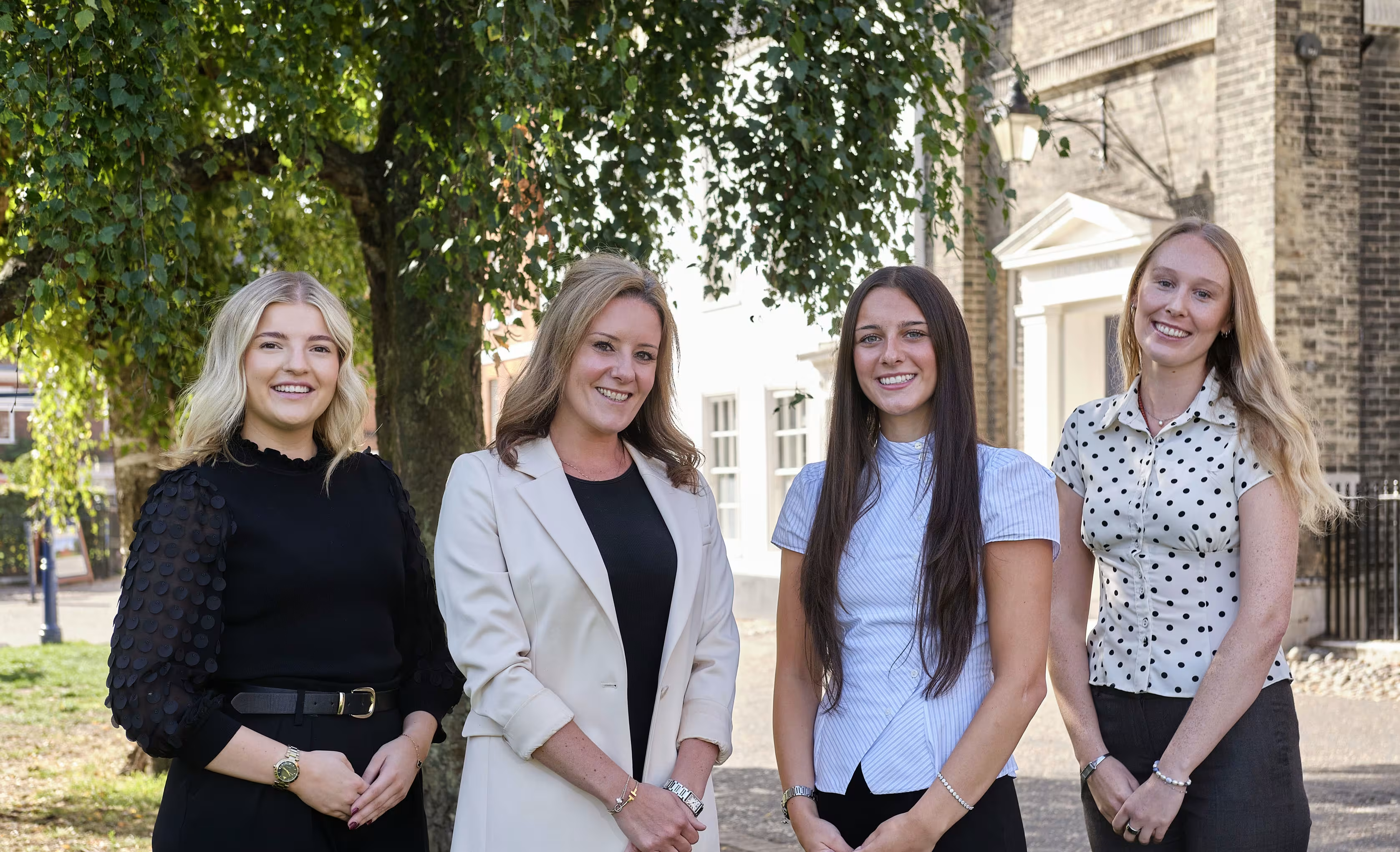
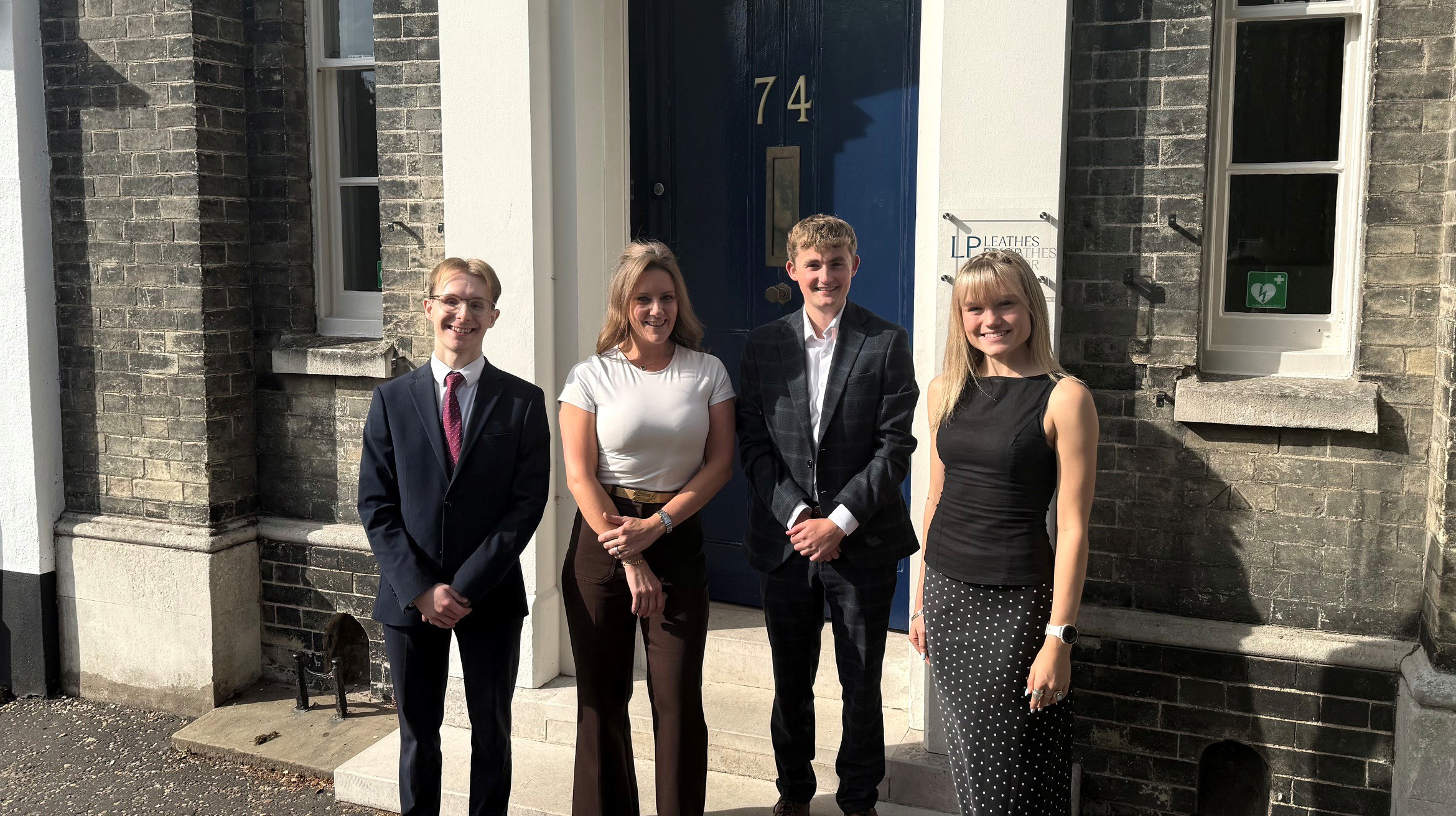
The transaction was led by Alex Saunders, Partner in the Corporate Team, assisted by Hugo Persad, Trainee Solicitor in the Corporate Team.
Having considered various exit options, Lorna believed that becoming an Employee Ownership Trust (EOT) was the best way for Phoenix Support Ltd to maintain its longstanding employee-focused culture and ensure that the vision of the business continues.
Leathes Prior is delighted to have been able to provide advice to Phoenix Support Ltd with this transition, which will not only ensure its long-term future as an employee-owned organisation but also as a proud business helping its community. Lorna said of the transaction: “The EOT process requires collaboration and transparency. It was important to us to have legal advisers who were not only knowledgeable but also pragmatic and aligned with our goals. Alex Saunders and Hugo Persad played a key role throughout. Their guidance and insight made the process both smooth and rewarding. I cannot praise or recommend Leathes Prior high enough. Thank you for your support.”
Speaking on behalf of Leathes Prior Solicitors, Alex Saunders said: “We are delighted to assist Lorna and the employees on the transition of Phoenix Support to employee ownership. This structure is well-suited to ensure that the company’s vision, together with its employee and community-focused culture, can be continued in the long term. I will be excited to see how the business continues to grow and develop under employee ownership.”
We wish Lorna and all the team at Phoenix Support Ltd all the best for the future.
To understand more about Employee Ownership Trust and whether this would be the right fit for your business going forward, please contact our Corporate Team via info@leathesprior.co.uk or by telephone at 01603 610911.













%20copy.jpg)