Potential Pitfalls for Landlords Re-letting Dilapidated Premises
When a commercial tenant vacates leaving behind dilapidated premises many landlords will, understandably, be keen to re-let the premises as soon as possible.
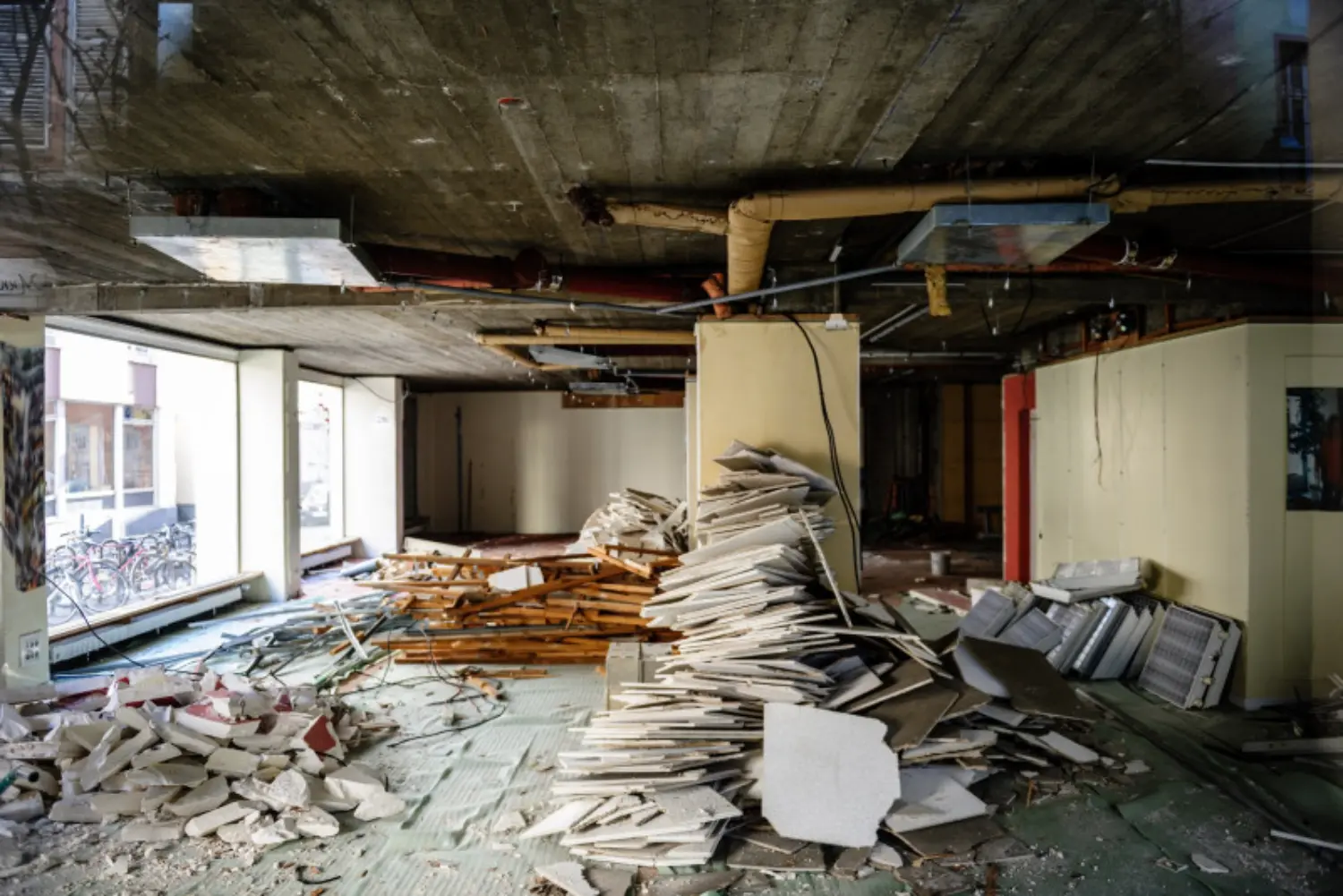

When a commercial tenant vacates leaving behind dilapidated premises many landlords will, understandably, be keen to re-let the premises as soon as possible. However, there are some common pitfalls many landlords may not be aware of. Although these can be avoided easily, if they are not, it can prove very costly.
When a commercial tenancy comes to an end the tenant will often return the premises to the landlord in a dilapidated state in breach of the terms of the lease. The landlord will typically instruct a surveyor to prepare a schedule of dilapidations listing the relevant breaches and items in disrepair, and instruct solicitors to pursue a claim for damages against the tenant.
Often the landlord will be left with a choice of either (a) carrying out and paying for the works himself or (b) awaiting the outcome of the claim against the tenant. Litigation is often costly and protracted and, of course, the empty premises provide no source of income. Those landlords who are able to will often carry out all or some of the works themselves and then re-let the premises. In some circumstances a landlord may even be able to re-let the premises without carrying out any works.
When it comes to carrying out the works and/or re-letting the premises landlords would be well advised to bear in mind the following points (in no particular order):
1. Before commencing any works the tenant should be given an opportunity to inspect the premises (whilst the items of disrepair are still present);
2. A competitive tender exercise will help justify the reasonableness of any costs incurred and we would suggest obtaining a minimum of three independent quotations for the work;
3. There is no guarantee the landlord will be able to recover the full amount from the tenant (in particular the landlord should be mindful of the limitations imposed by section 18(1) of the Landlord and Tenant Act 1927 which, in simplified terms, (1) caps the claim at the diminution in value of the premises and (2) prevents the landlord from recovering damages for repairs which are about to be superseded by alterations to or demolition of the premises);
4. Landlords should take care not to carry out works in addition to those which would be required by the tenant pursuant to the repairing covenants in the lease (improvements or refurbishments could seriously jeopardise the landlord’s dilapidations claim);
5. When granting a new tenancy it is important to retain the right to access the premises to carry out any outstanding works (which form part of the landlord’s dilapidations claim against the former tenant); and
6. If a decision is made to re-let the premises in their dilapidated state, the dilapidations claim against the former tenant can be affected (this will depend on various factors including whether the new lease was granted at a discounted rent and/or if the new tenant’s repair obligations are limited, often by way of a photographic schedule of condition).
This article aims to highlight some of the common pitfalls but is by no means a comprehensive guide and we always recommend that landlords seek legal advice on their specific circumstances. If you require any advice in this respect please do not hesitate to contact Sabina Haag, in our Property Disputes Team, who specialises in Commercial Property Disputes.















%20copy.jpg)