Judgement confirms those engaged under zero-hours arrangements are not always entitled to full employment rights
The so-called “gig economy” has meant that employment status, and the rights of workers and employees is a hot legal topic currently.


The so-called “gig economy” has meant that employment status, and the rights of workers and employees is a hot legal topic currently, and it seems as though it is an almost daily occurrence that a business is found to have failed to comply with its legal obligations towards those working for it.
It will therefore be a pleasant relief to local employers to hear that a recent Employment Tribunal Judgment has confirmed that those engaged under a zero-hours arrangement are not always entitled to full employment rights.
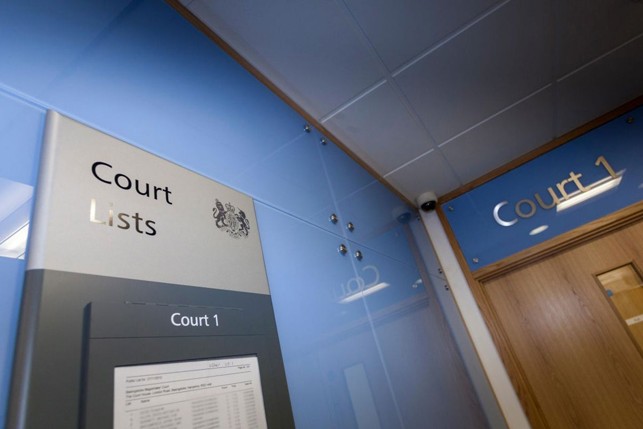
A recent claim brought against local charity Norwich and Central Norfolk Mind involved a zero-hours employee who alleged that she was owed wages for almost a year, despite not having attended work for a single shift during this time. An Employment Tribunal sitting at Norwich Magistrates Court has confirmed that as the employee was engaged under a zero-hours contract, with no obligation on the employer to give her any hours, and no obligation on her to accept any hours, when she was not willing to work following a dispute between the parties, the employer was not obliged to pay her.
This Judgment should come as no surprise to those familiar with the concept of zero-hours contracts and employment rights more generally, but is a helpful and positive reminder to employers that zero-hours arrangements can still be a useful tool. Key to the Employment Tribunal’s Judgment here was the fact that the employer had confirmed the fact that this was a zero-hours contract in both the written terms of the contract itself, as well as in other documentation sent to the employee at the point of her recruitment.
Clare Bradbury, Head of HR of Norwich MIND, comments that “we had always been confident that this employee was not entitled to be paid for shifts when she was not willing to attend work, and as a charity who regularly uses zero hours’ contracts to ensure that we have sufficient support for our clients at all times, this was a really important result for us”.
Norwich MIND were represented by Leathes Prior, specifically employment law specialist Harriet Howes and Head of Employment, and Partner of the firm, Dan Chapman, who appeared at the Tribunal as the advocate. Mr Chapman explained “This case is a great result for the client, and we had always felt passionately about achieving a good outcome for them given their charitable status. The case serves as a useful reminder to all employers of the importance of ensuring that the correct contractual arrangements are agreed between the parties at the outset of the employment relationship, as, ultimately, this will be the starting point for any determination on employment status and employee rights more generally”.
For the full Judgment of the Tribunal, click here.
If you need any help with employment issues, or would like one of our team to assist you with drafting contracts for your workforce, please do not hesitate to contact our Employment Team on 01603 610911.













%20copy.jpg)