✦
Stay informed with our latest legal insights.
Following the launch of ‘Beryl’ bikes in Norwich in March 2022, a fleet of 100 e-scooters were added later that year, as part of the Department for Transport’s pilot scheme. Kate Smith discusses the differences between hire and private e-scooters and what they can mean if you're injured by one.
February 5, 2024
Actor, Laurence Fox is in a High Court battle against Simon Blake and a drag performer Crystal, after a defamation claim was brought by Blake and Crystal, centering around tweets by Fox. Chris Goodwin, Associate in the Litigation & Dispute Resolution Team looks at the case and compares to similar across the pond involving X (formerly Twitter) owner Elon Musk.
February 1, 2024
Part 10 of the Online Safety Act 2023 comes into force on 31st January 2024 and introduces six new offences. Designed to enhance the safety of internet services for individuals, Howard Catherall, Partner in our Criminal Defence Team explains...
January 31, 2024
The Ministry of Justice has today launched a consultation on reintroducing fees in employment tribunals and EAT appeals. Dan Chapman, Head of Employment explains…
January 29, 2024
A Lasting Power of Attorney is a legal document enabling you to appoint attorneys to assist you with your affairs and finances should you lose mental capacity. Jordan Walker explains everything you need to know about a LPA and why they're so important.
January 26, 2024
With the festive season behind us, you may have reminisced about tales from the work’s Christmas party on your return to the office, but in 2019 Cancer Research UK’s Christmas party unfortunately resulted in a claim for personal injury when one of its employees sustained a spinal injury on the dance floor, Personal Injury Specialist, Kate Smith explains...
January 9, 2024
Throughout their month-long campaign officers from Norfolk’s Roads and Armed Policing Team have been breathalysing ‘every driver they speak to’ throughout the festive period according to norfolk.police.uk.
December 21, 2023
Making a clinical negligence claim is a complex process and often requires the input of numerous medical experts, it can therefore feel daunting making a claim. If you think you have a clinical negligence claim, here are some of our most frequently asked questions answered by our expert, Kate Smith.
December 14, 2023
On 4 December 2023 the Home Secretary, James Cleverly, unveiled a comprehensive package of measures aimed at achieving the largest-ever reduction in net migration to the UK, taking effect in Spring 2024. The plan addresses various aspects of the immigration system, these changes will have a significant impact on foreign workers and their ability to work in the UK, Zanthe Meijer explains...
December 6, 2023
The return to the office dilemma... Organisations must decide what the new normal looks like for them post-Covid, and whether this is working from home, hybrid working, or a complete return to the office. Gareth Stevens, Senior Associate in our Employment Team discusses...
In November 2022, Resolution asked its members share their views about the changes they would like to see to the family justice system. The vast majority responded that cohabitation reform should one of be the priorities. In a recent publication, Resolution explained its proposals for reforming the law relating to cohabitating partners, Maggie Berry explains more in this article.
December 1, 2023
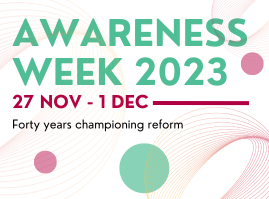
This week, on their 40th Anniversary, Resolution is using Awareness Week 2023 (27 Nov – 1 Dec) to launch their Vision for Family Justice campaign. The campaign highlights key changes its members want to see, to ensure a legal system for family law that is fit for the future. Read on to learn more about their aims.
November 27, 2023
Making a personal injury claim can be a daunting process, particularly when your focus should be on recovering. If you think you have a personal injury claim, here’s some of our most frequently asked questions answered by our expert, Kate Smith.
November 20, 2023
On 8 November 2023, the Government made an announcement on The Employment Rights (Amendment, Revocation and Transitional Provision) Regulations 2023, Dan Chapman explains what this will mean for the calculation of holiday pay for workers with irregular hours.
November 9, 2023
On 7 November 2023, King Charles opened parliament with the annual King's speech and one topic which has been highly anticipated is leasehold reform. In this article lease expert, Jake Mowatt talks about what was discussed, what the next steps are and what the potential reforms could mean for existing leaseholders, new leasehold property and those looking to purchase leasehold property.
November 8, 2023
On 28 October 2023, a significant amendment took place as reforms to the Rehabilitation of Offenders Act 1974 came into force.
November 3, 2023
No results found
Try refining your search criteria.