Are we about to see an increase in Japanese Knotweed claims?
Partner and Head of the Residential Property Team, Stephen Wilson looks in to the recent case of Davies v Bridgend County Borough Council.
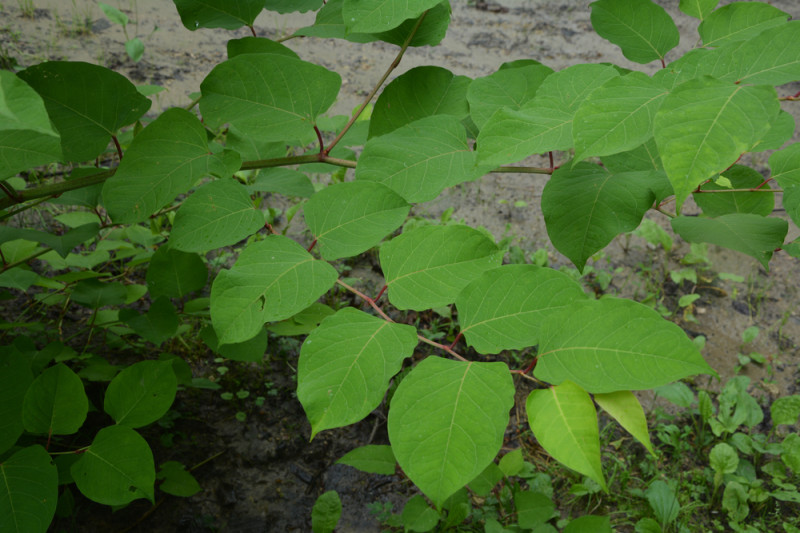

In the recent case of Davies v Bridgend County Borough Council, the Court of Appeal ruled that compensation be granted for the reduction in the value of a property caused by Japanese Knotweed, despite the weed already being treated.
This is a landmark ruling, as it addresses the loss from the reduction in property value arising from the stigma of the spread of Japanese Knotweed and the ongoing nuisance it can cause rather than limiting damages to purely financial losses.
In pursuing Bridgend County Borough Council, Mr. Davies was able to recoup £4,900.00 in damages due to the previous presence of the weed preventing landscaping or building in the garden.
So what does this mean for homeowners?
Before this decision, if the value of property suffered as a result of the previous existence of Japanese Knotweed (i.e. post treatment), a homeowner would have no remedy. Now claims can be made for the reduction in value caused by a continued nuisance that remains after the treatment of the weed.
As a result, this ruling could well open the door for other homeowners invaded by the weed.
For further information, do feel free to contact our Property Teams at Leathes Prior by emailing info@leathesprior.co.uk.















%20copy.jpg)