Building Safety Act: Registration of higher risk buildings goes live
Today, 6 April 2023, the registration of higher risk buildings goes live under the Building Safety Act. In this article Danny Turpin tells you what you need to know...
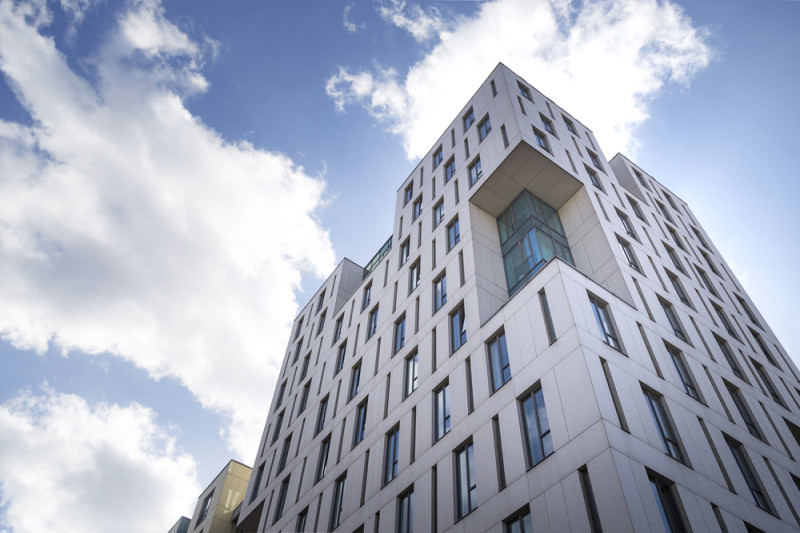

Today, the 6 April 2023, heralds another milestone in the implementation of the Building Safety Act, which has been called the biggest overhaul to the planning and construction regime in a generation.
Specifically, the owners of approximately 12,500 higher risk buildings need to be aware that the six-month window has now opened to register these buildings with the Building Safety Regulator.
Both the Government and the Building Safety Regulator have been clear that failure to comply with the 1 October 2023 deadline for registration will constitute a criminal offence, and could result in up to two years’ imprisonment along with a fine.
Higher risk buildings are those at least 18 meters or seven storeys in height and which contain at least two residential units. There are certain exclusions under the regulation, for example hospitals, care homes, hotels, secure residential institutions and military barracks.
Such higher risk buildings will need to be registered by an Accountable Person (an ‘AP’) or, if there is more than one AP, the Principle Accountable Person (‘PAP’). An AP or PAP is the organisation or person who owns or has responsibility for the building. It may also be an organisation or person who is responsible for maintaining the common parts of a building, for example corridors or lobbies.
Owners of, and those with management responsibilities for residential buildings will therefore need to carefully evaluate whether the building in question is a higher risk building, and if so, who will be the AP or PAP for said property.
The registration process itself (which includes payment of a fee of £251) will be through the Building Safety Regulator digital platform and will require confirmation of the identity of the AP or APs and any PAP and the provision of basic details of the building (its address, number of residential units, height, number of storeys and year of construction). A building’s height and number of storeys are subject to specific definitions. For buildings completed prior to 6 April 2023, details of the Building Regulations completion certificate or final certificate will need to be provided as part of the registration application.
In addition to the above registration information, a fuller pack of ‘key building information’ will also need to be provided within 28 days of the initial registration application.
Our property teams are on hand to provide advice to owners and managers of residential property regarding these obligations under the Building Safety Act, so please do not hesitate to contact us via info@leathesprior.co.uk or call 01603 601911.















%20copy.jpg)