The Autumn Budget 2026
Today, Wednesday 28 October, the Chancellor of the Exchequer, John Healey delivered the 2026 Autumn Budget, with a theme of giving "breathing space". Sam Poulter, Associate in our Corporate Team gives a summary of the budget and what it means for our clients.
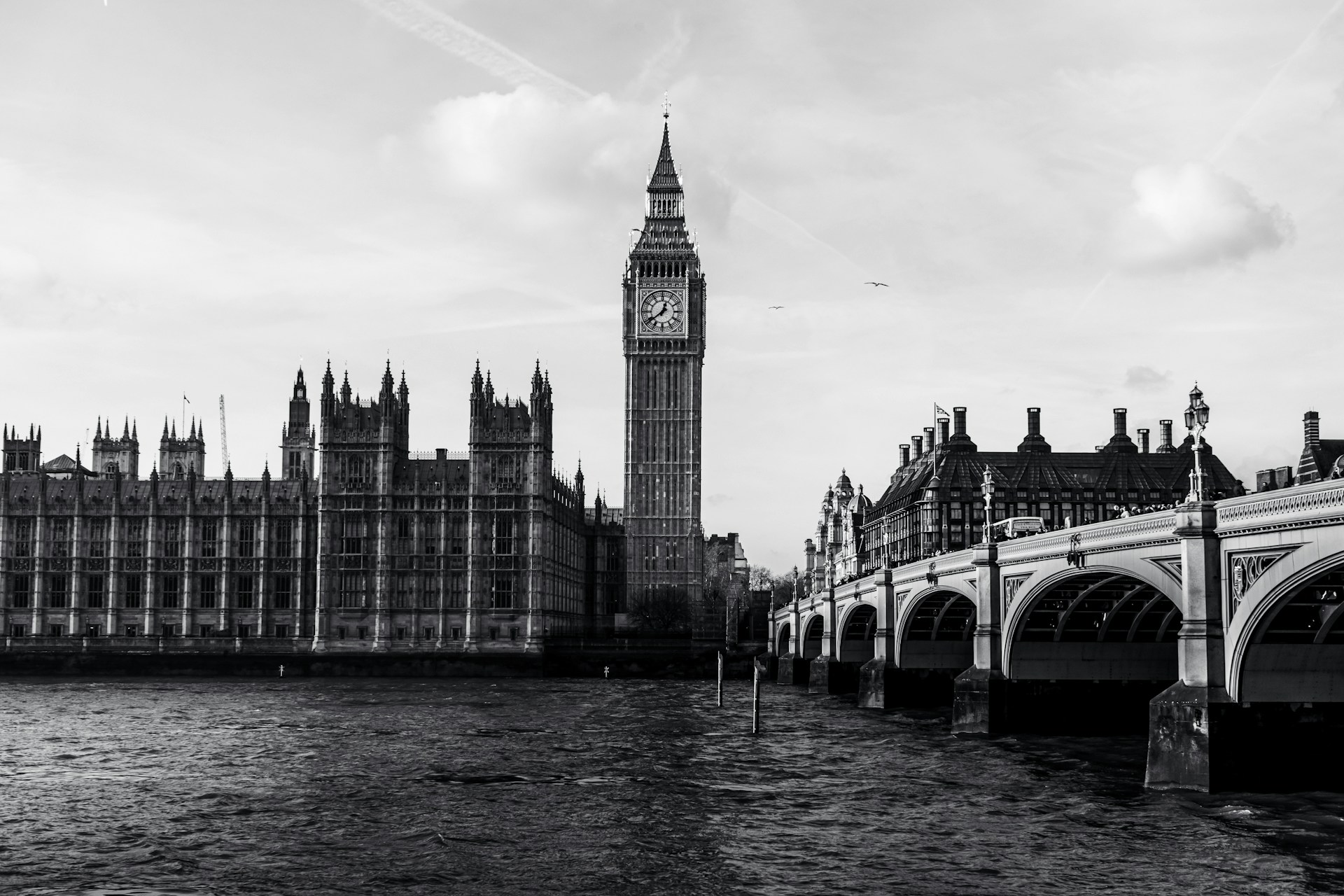

Labour has a Chancellor called Healey. The last time it did, the Government of the day faced the harsh economic conditions of the 1970s, and today’s outlook could easily be mistaken for then. Inflationary pressures, high oil and gas prices, expensive borrowing costs, a female leader of the opposition starting to gain traction with the public, and an insurgent third party seeking to take votes off the main two parties with a leader who holds shall we say, considerable baggage. All this paints a tricky economic and political playing field for the John version of the Healey double act.
The narrative leading up to this budget has been much more contained compared to the leaks of the Reeves budgets, with the Treasury presenting a steady as she goes approach, and the Chancellor keen to stress that he was presenting a budget for working people, and which will buck the trend of businesses being tasked with tougher recruiting and operational conditions since Labour returned to power in July 2024.
With roughly 1 in 8 young people not in employment, education or training (the “NEETS”), and unemployment at 4.7%, all against a cost of living crisis and long term anaemic growth figures, some may argue a bigger jolt is needed than “steady”. Steady is also a far cry from the message of change presented by the Prime Minister on the steps of Downing Street in July. So with that context now all said, what did the Chancellor actually announce:
Forecasts
• There is expected to be £14bn more in debt interest payments on Government borrowing this year, highlighting the challenges the Government has with rising gilt costs, which are now the most expensive they have been since 1998.
• The Chancellor has reduced the Government’s headroom to £15bn in the 2029/2030 financial year, and £22bn in the 2030/2031 financial year. This cut has been used to fund some of the Chancellor’s other commitments, albeit the Chancellor confirmed his main aim is to cut the budget deficit within three years.
• The Chancellor confirmed that his spending plans he set out would see debt continue to fall as a percentage of GDP over the next five years.
• The IMF confirmed that the UK does however remain the fastest G7 growing economy this year, along with the USA, with 2026 expected to see 1.2% growth, and forecasts revised so that the economy is predicted to grow by 1% in 2027, 1.6% in 2028, 1.8% in 2029, 1.7% in 2030, and 1.6% in 2031. It should be noted however that all of these projections remain below the ideal 2% growth target.
Cost of Living
• The National Living Wage will increase to £13.20 in April 2027, with the National Minimum Wage rising to £11.27 . The main announcement here is that the rise in the National Minimum wage is not making inroads into the National Living Wage, which contrasts with the manifesto pledge the Government made to equate pay for young people with older workers over the parliament. However, this appears to be a reaction to the NEETS crisis, and the views of many employers that hiring young workers is becoming cost prohibitive.
• Gas standing charges on energy bills will be scrapped from 2027, reducing costs for families across the country by more than £100 per year. Similar measures for electricity bills will follow we are told. The scrapping of VAT on energy bills has also been extended into 2027 to help with energy costs throughout the winter, saving households an estimated £50.
• For £20m homes, those within Council Tax bands A – D, a £100 “Household Energy Payment” will be paid directly into personal bank accounts from January 2027, to assist with the cost of energy in the winter months. This is expected to cost the Government £2.6bn.
• Tariffs are to be removed from one hundred standard food and drinks products, with the aim being to reduce overall costs on the weekly shop. However, it is expected such changes are likely to amount to a few pence in each instance, and follows the Prime Minister’s approach so far of making numerous small changes, with the aim of these joining together into a greater benefit.
• The 5p cut to Fuel Duty which has been in effect will also be extended until July 2027.
Tax
• The Government is reducing the lifetime limit for Business Asset Disposal Relief from £1m to £500,000, continuing a trend that has seen this relief cut in recent years. This new limit will come in from 6 April 2027.
• However, a new “Founders Relief” will be introduced, providing a 10% Capital Gains Tax rate on the first £10m of lifetime gains. This will be for “qualifying founders of high-growth, innovative companies” from 6 April 2027, and who exactly qualifies will be announced it appears from the Finance Bill 2026 – 2027.
• The Government is to reform tax treatment for business distributions to increase consistency, with an aim of protecting capital treatment for genuine changes in ownership, and to include families passing down their businesses – more details will be needed before this can be scrutinised.
• 70,000 retail, hospitability and leisure, businesses will benefit as the Small Business Rates Relief thresholds are increased from £12,000 to £18,000 for full relief, and up to £21,000 for tapered relief.
• The cut to the annual subscription limit which can be put into a cash ISA, which was to be reduced from £20,000 to £12,000 by Rachel Reeves, has been cancelled.
• The Bank Corporation Tax Surcharge is to be increased by 3% from January for 15 months, increasing the rate to 6%.
• However, income tax rates on property and savings income has been increased by 2% from 6 April 2027, taking the rates to 24% (with the higher rates to 44% and the additional rates to 49%). This does seem to somewhat be in contrast to the other new saving initiatives introduced by the Chancellor today.
• The Chancellor also announced the plan for 100% of business rates to be retained locally by the end of the decade. Furthermore, 20% of business rate revenues will go to mayors, with a percentage of income tax to follow.
• The overnight visitors levy, tallowing local authorities to tax those who visit cities and towns across Britain on a temporary basis, was also confirmed.
• Alcohol Duty will be increased in line with RPI.
• HMRC will receive funding and powers to increase their ability to collect tax from those who do not pay on time.
• Machine Games Duty will be increased from 20% to 25% for higher-stakes machines , whilst the Government will take a more stringent approach to exclude gambling businesses from business rate reliefs.
• The Pension Tax Allowance will be introduced from April 2027, so that pensioners who have an income at or under the value of the full new State Pension will not be brought into paying Income Tax due to the State Pension increasing during the parliament.
Investment and Infrastructure
• Enterprise Management Incentives 2 – Building on the EMI Schemes already available, the Chancellor has announced the Company Share Option Plan (CSOP) limit will be increased from £60,000 to £120,000, and extend the exercise period to 15 years.
• The Chancellor announced several new infrastructure and investment partnerships with the private sector, including Rolls Royce, whilst there will be a further £20.4bn for the National Wealth Fund and British Business Bank.
• A new Data Centre covenant including new requirements which data centres must meet, and in return grid connections and building onsite generation will be permitted as those data centres are established.
• £140m will be provided in investments for strategic British AI firms.
• The Trading Allowance has been tripled from £1,000 to £3,000 from April 2027, with the aim of supporting entrepreneurs first starting out in business.
Welfare
• Self-employed fathers will now be entitled to a form of Paternity Leave, with the establishment of the parental allowance for fathers, adopters and partners.
• The chancellor confirmed the reform to the Triple Lock announced by the Prime Minister recently, so that the state pension rises every year to account for earnings over time. This is estimated to save £15bn by the end of the 2030s, and potentially £50bn by the late 2040s.
• However, the Chancellor reserved his position on fundamental reforms to the welfare system, and employment programmes and reforms for young people to address the NEETS crisis. Whilst re-committing to the Jobs Guarantee, and the commitment to invest £100m in apprenticeships, the Chancellor is awaiting the recommendations of Alan Milburn, which are due in November, with confirmation a white paper will be presented next year.
Housing
• A new First Time Buyer ISA to replace the Lifetime ISA from April 2029, with the 25% Government bonus remaining and paid on withdrawal, covering the purchase of a home up to the value of £425,000. The bonus will be capped at £20,000. Existing Lifetime ISA holders will not see a change, and the withdrawal charge for these accounts when buying a home over £450,000 will be reduced.
• £432m will be provided to extend the Prime Minister’s offer that everyone who is homeless will have a roof over their heads in the winter not just this year, but throughout the parliament.
Energy
• The Jackdaw gas field, approved last week, is expected to add £2.9bn to the UK economy.
• Particular levies placed on energy bills are to be removed, and the commitments funded by these levies will now be funded directly by central government.
Defence
• £10bn in extra support be provided to Ukraine for its ongoing defence in the war against Russia.
• However, as with welfare, the Chancellor reserved his position on how he intends to meet the Government’s plan to spend 3% of GDP on defence by 2030 and 3.5% by 2035, until the Spending Review next year.
The Chancellor’s most prominent phrase today was “breathing space”, but other than the announcement on short term energy bill measures, many may be wondering where this is to come from to ease burdens on families and businesses immediately. Many big decisions, whether on welfare, NEETS, defence or employment, have been held back until 2027 and the announcement of the Government’s Ten Year Plan, and the Spending Review.
There is however potential for some longer term development, with new tax schemes, investment allowances and reliefs for businesses featuring heavily, though it will be crucial to see the details of these schemes as they are released in the coming days, and as with any such long term measures they remain subject to actually being implemented by the government of the day.
Kemi Badenoch in her response described how Labour MPs wanted this to be the Budget that did no harm. Whether that is how this is viewed by the markets, lenders and other financial levers of the economy remains in question. Liz Truss has been back in the news recently, and if the reaction to her 2022 Budget is compared with this, perhaps some may say the Chancellor met his backbencher’s wishes.
With interests rates possibly to rise in the coming days, inflation remaining high, and families and businesses facing continued high costs, what is certain is that the outlook is challenging, but not insurmountable. The lead up to this Budget has proved that businesses, both local and further afield continue to meet these challenges, and we are under no doubt they will continue to do so.
We at Leathes Prior will certainly remain ready, no matter the outlook, to assist both individuals and businesses alike with whatever opportunities they wish to pursue, or challenges they need to overcome. If you need any assistance in the coming weeks and months, please do reach out to our team via info@leathesprior.co.uk or call 01603 610911.