Norfolk Police Christmas drink / drug driving campaign 2023
Throughout their month-long campaign officers from Norfolk’s Roads and Armed Policing Team have been breathalysing ‘every driver they speak to’ throughout the festive period according to norfolk.police.uk.
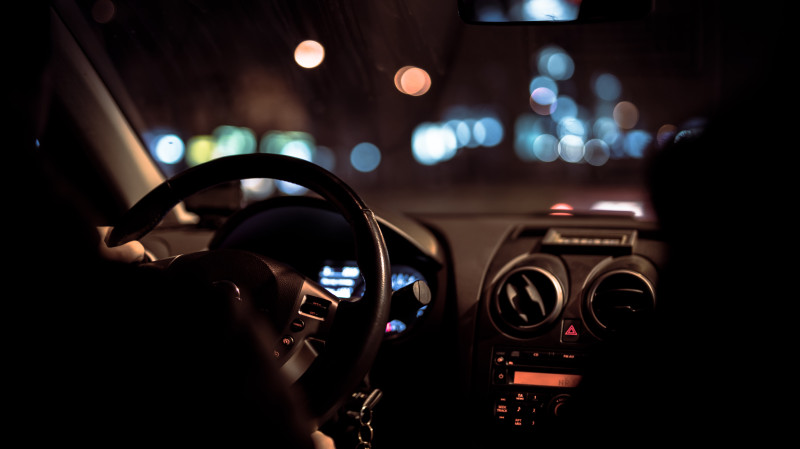

Throughout their month-long campaign officers from Norfolk’s Roads and Armed Policing Team have been breathalysing ‘every driver they speak to’ throughout the festive period according to norfolk.police.uk.
Norfolk Constabulary launched their new drink/drug driving campaign on 1 December 2023 and it will last until 1 January 2024. The campaign is said to emphasise their message that there are "#noexcuses" for drink or drug driving. As the holiday season approaches, and over the Christmas and New Year period, it is more frequent for individuals to consume alcohol and drugs. The Constabulary’s campaign seeks to raise awareness and address the issue, whilst also reminding us about the potential consequences.
At Leathes Prior, we recognise that a loss of inhibition through drink or drugs can sometimes lead to mistakes being made. What can in an intoxicated moment feel risk-free (“it was just a short drive home”; “it was the middle of the night, I thought there wouldn’t be any traffic about”) can have very serious consequences. Getting behind the wheel when over the legal limit not only poses a serious risk to yourself and others (those in your car and other road users), it could also result in criminal charges for drink or drug driving.
What are the legal limits for drugs?
- Alcohol - 35 micrograms per 100 millilitres of breath / 80 milligrammes of alcohol per 100 millilitres of blood
- Cocaine – 10 microgrammes per litre of blood
- Benzoylecgonine – 50 microgrammes per litre of blood
- Delta-9-tetrahydrocannabinol (Cannabis) – 2 microgrammes per litre of blood
- Ketamine – 20 microgrammes per litre of blood
- Methylamphetamine (Meth) – 10 microgrammes per litre of blood
- Methylenedioxymethamphetamine (MDMA) – 10 microgrammes per litre of blood
- 6-monoacetylmorphine (Heroin) – 5 microgrammes per litre of blood
- Lysergic Acid Diethylamide - 1 microgram per litre of blood
If you’re stopped, the police can administer a roadside breath or drug screening test. If these confirm that you’re over the alcohol limit or detect the presence of drugs, then you would be arrested and taken into custody. At the police investigation centre you would be asked to provide an evidential breath specimen (for drink drive cases) or a blood sample (for drug cases). In certain circumstances the police may request a blood sample in a drink drive case. Sometimes a urine specimen is requested as an alternative.
It is important to note that your consent is required for these samples to be taken, however if you refuse, failing to provide a specimen for analysis is a criminal offence (with similar consequences if you’re convicted at Court). If you consent, you have the option to retain a sample of your blood or urine, which we highly recommend as it allows for the engagement of your own forensic expert for analysis upon which we can advise you.
If you are being investigated for drink or drug driving, or a related offence, or you’ve been charged, please contact our Criminal Defence Team on 01603 284275 or email kchaplin@leathesprior.co.uk.







%20copy.jpg)