We Need to Talk: Putting children first during separation
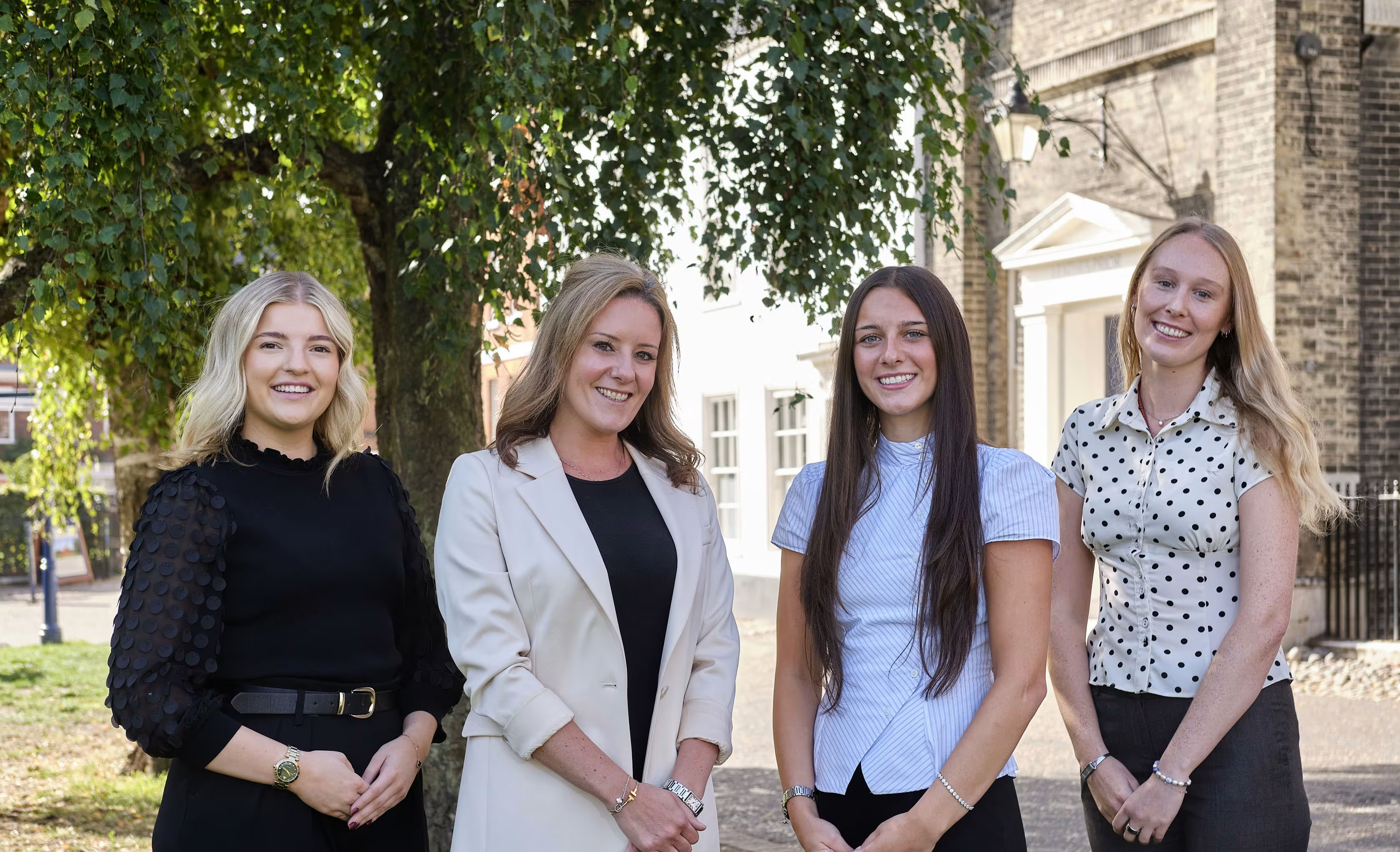
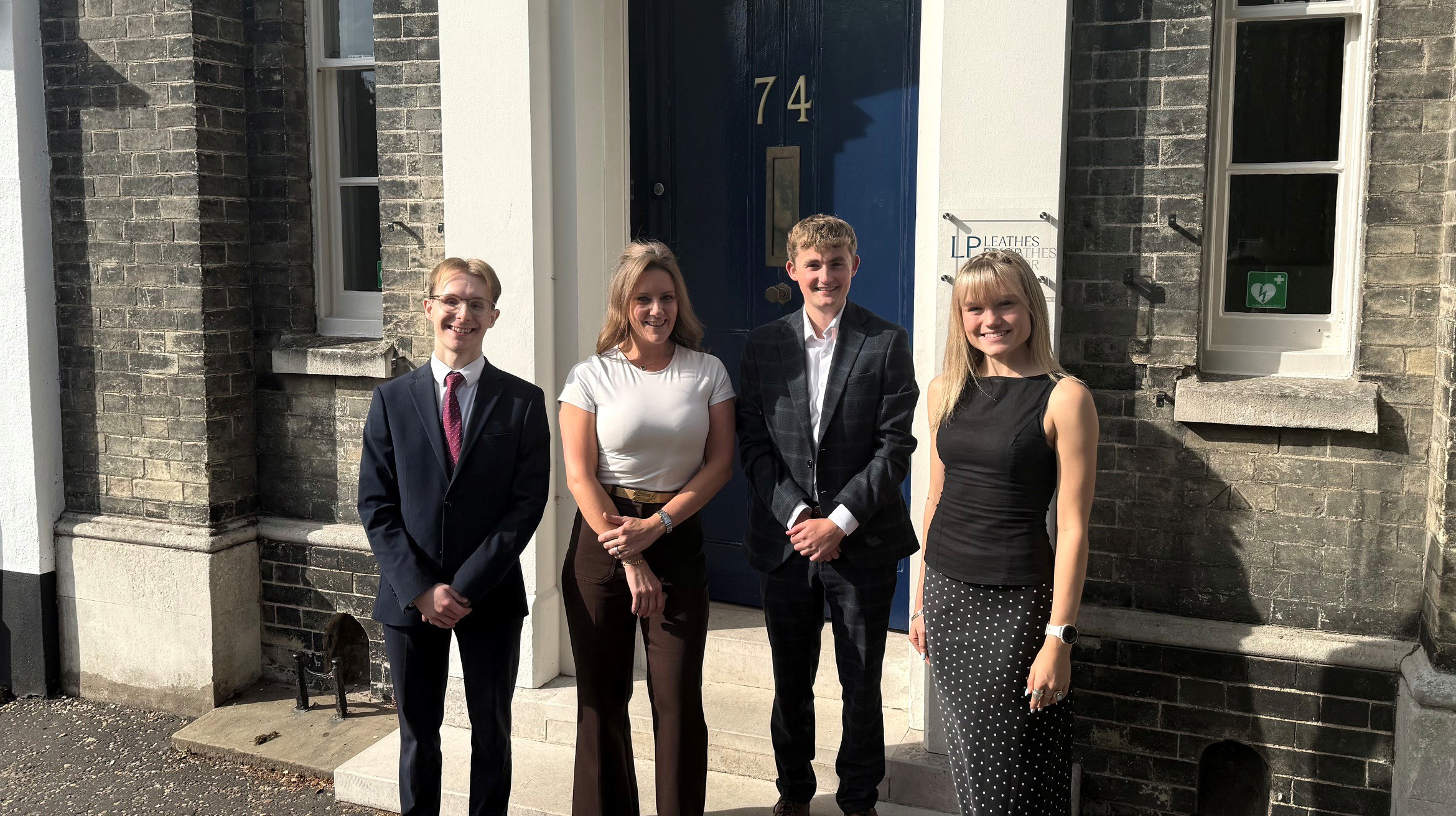
All of the lawyers in the Family Team at Leathes Prior are members of Resolution.


Resolution (formerly known as the Solicitors Family Law Association), is an organisation of around 6,500 family lawyers and other professionals in England and Wales, who believe in a constructive, non-confrontational approach to family law matters. Resolution also campaigns for improvements to the family justice system.
Resolution members subscribe to a Code of Practice. Part of this code of practice is to Support and encourage families to put the best interests of any children first, reflecting principles enshrined in the Children Act 1989 and the Matrimonial Causes Act 1973.
Resolution have published the following short film for separating parents to provide parents with top tips to help minimise the impact of conflict on children. Just click on the hyperlink to watch.
All of the lawyers in the Family Team at Leathes Prior are members of Resolution. Previous feedback has advised the team are; "always professional, knowedgeable and emotionally sensitive".
If you have any queries about your situation please feel free to call one of our lawyers on 01603 610911 or email us at info@leathesprior.co.uk.















%20copy.jpg)