The Autumn Budget: SDLT Rates
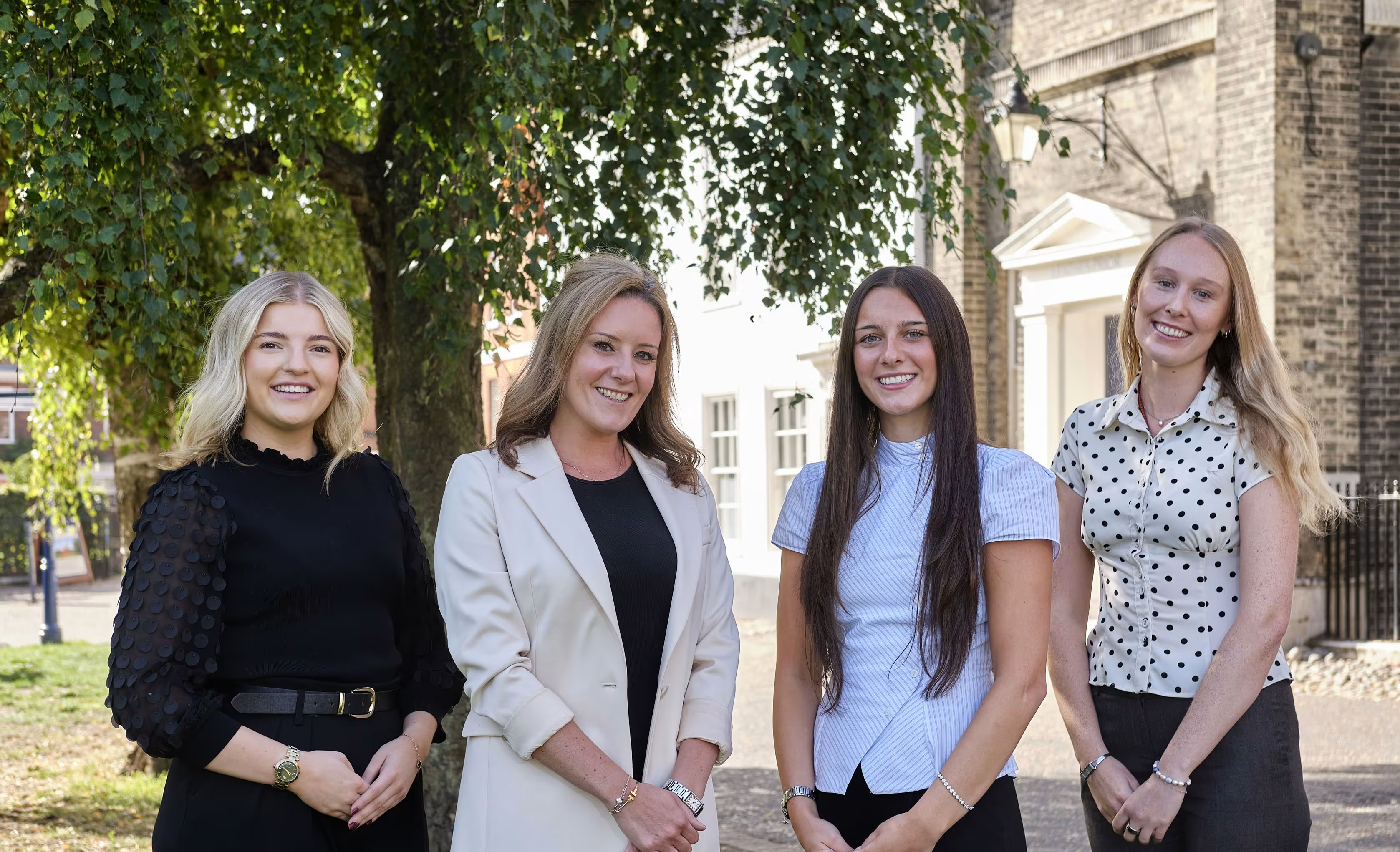
Following the announcement of the Autumn Budget last week, Anna Jordan, Solicitor in our Residential Property Team has shared the immediate changes, and those coming into effect in Spring 2025, and what that means for residential property clients.

Last Wednesday (30 October 2024), Chancellor of the Exchequer, Rachel Reeves delivered the first Labour budget in 14 years. While the budget brought with it a number of surprises, for us in Residential Property, the most crucial of those was the increase in Stamp Duty Land Tax (SDLT) rates on additional dwellings from 3% to 5% - effective as of the very next day (31 October 2024). This means, for those purchasing additional dwellings, if you are to purchase a £300,000 property (as a second home or buy to let) your SDLT would now be £17,500, as opposed to £11,500 at the 3% rate previously in place.
Now that we have updated and supported our current clients through the news, we can take the time to look at the other changes that will be coming into play in Spring 2025. As of 1st April 2025, the standard SDLT rates will look like this:
Property/Transfer Value SDLT Rate
- Up to £125,000 - 0%
- The next £125,000 - £250,000 - 2%
- The next £250,000 - £925,000 - 5%
- The next £925,000 - £1,500,000 - 10%
- Any remainder over £1,500,000 - 12%
To put that into context, if you purchase a £300,000 home (i.e. your new main residence) before the rates change, you will pay £2,500 in SDLT. If you purchase the same property after the rates change next year, you will pay £5,000 in SDLT.
Only time will tell how this will impact the property market, but what we can say for certain is that the Residential Property Team at Leathes Prior will be here to support you throughout the changes.












%20copy.jpg)