Seasonal Agricultural Workers Pilot Scheme
A step in the right direction.
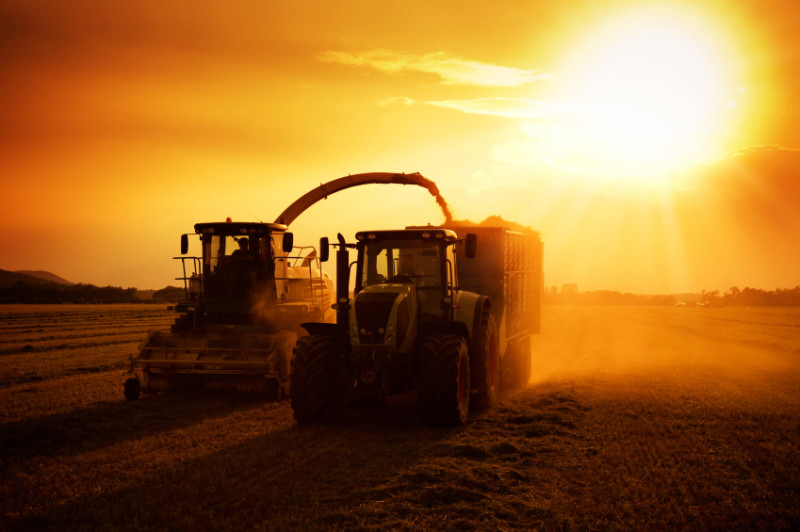

The labour shortages currently faced by the UK agriculture sector are widely known and will continue to worsen once free movement of EU nationals ends post-Brexit.
The National Farmers Union (“NFU”) has calculated that around 70,000-80,000 seasonal workers are needed each year to harvest fresh produce in the UK but around 13% of positions went unfilled last year.
On 6 September 2018, the Home Secretary and Environment Secretary announced that post-Brexit, a nationwide seasonal agricultural workers scheme would be implemented, to bring migrant workers from outside the European Union to UK farms in an attempt to help farmers with the labour shortages during peak production periods. The scheme replaces the Seasonal Agricultural Workers Scheme (“SAWS”) which was closed at the end of 2013. Under SAWS, 21,250 workers per year were able to travel to the UK for up to six months to work in fruit and vegetable picking.
How it will look
Under the pilot, up to 2,500 workers from outside the EU will be able to come to the UK each year, supporting the sector during peak production periods. The pilot will commence in the spring of 2019 and will run until the end of December 2020.
To be eligible workers must:
- be aged at least 18 years old on the date of application; and
- be from outside of the European Union.
The scheme will be run by two operators, Concordia (UK) and Pro-Force, who will be monitored by the Home Office and the Department for Environment, Food and Rural Affairs (“Defra”).The two selected companies will manage the selection and placement of workers on UK farms and will be required to ensure all regions benefit from this pilot.
The White Paper published on 19 December confirms that the Government will review the outcome of the pilot before deciding to roll it out more widely.
Commentary
The scheme is seen as a step in the right direction for agriculture and farming however many feel the scheme does not go far enough to address post-Brexit migration concerns and will barely cover the current needs of British fruit and vegetable growers.
Nick Marston, the chairman of British Summer Fruits, says “To have any effect in terms of supporting out successful industry, around 10,000 are needed now, not 2,500, this number will have little effect on the current shortages UK farms are facing as we speak. The proposal represents a 4% increase in a shrinking workforce.”
In an otherwise challenging environment, many farmers wanting to expand or diversify in order to future proof their businesses are faced with labour shortages that will continue to worsen post-Brexit.
Farmers making a first leap into diversification must consider what staffing requirements will be required and how they can be fulfilled long term.
If you would like more information on the content of this article, please contact our Agriculture Team or Employment Team on 01603 610911.
Note: The content of this article is for general information only and does not constitute legal advice. Specific legal advice should be taken in any particular circumstance.















%20copy.jpg)