Making a Personal Injury Claim: What to Expect
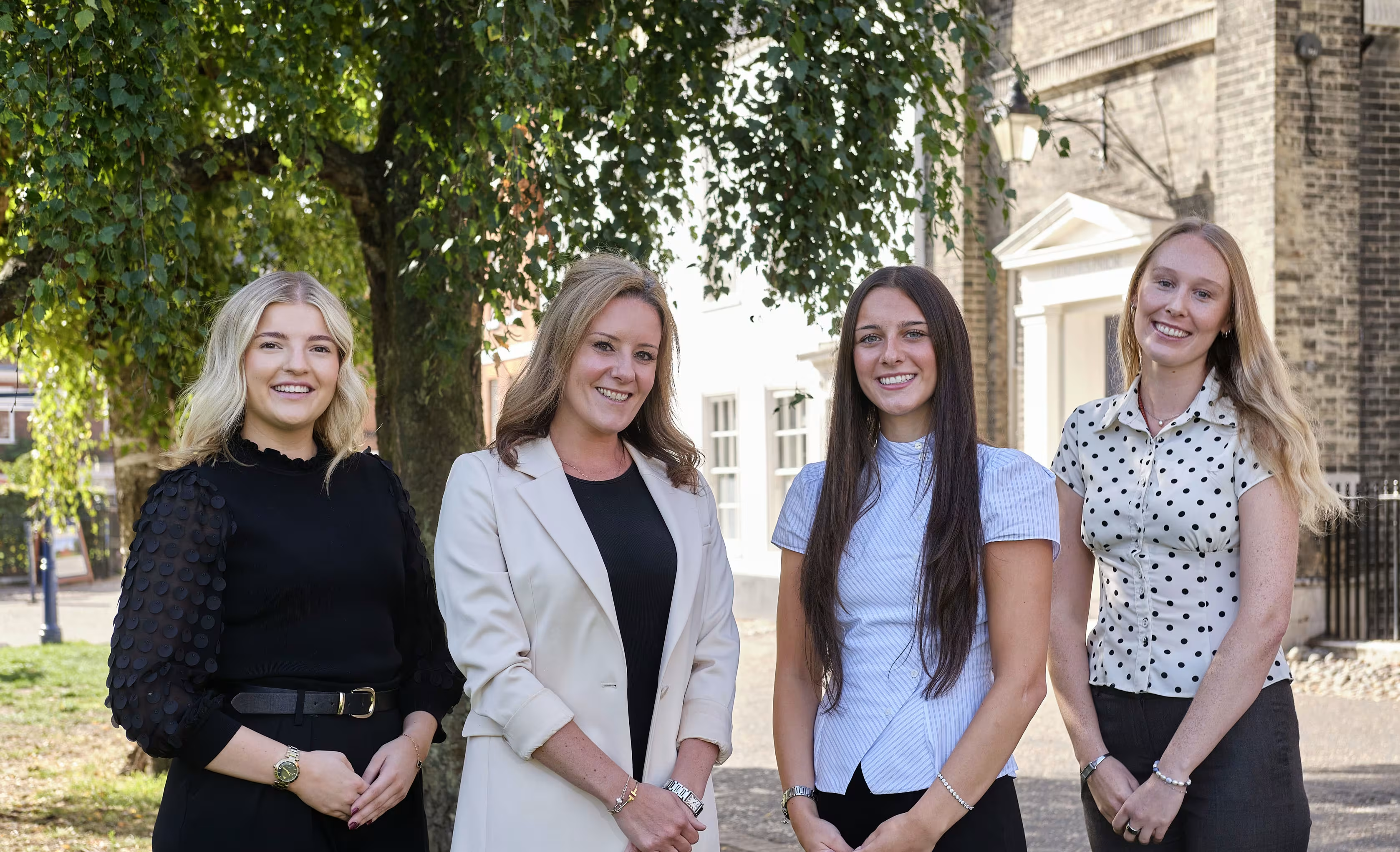
Bringing a personal injury claim can seem daunting, especially if you are also living with injuries sustained as a result of another party’s negligence. To prepare you with what to expect, Kimberley Nelson, Paralegal in our Personal Injury and Clinical Negligence Team has shared an overview of how the process works.


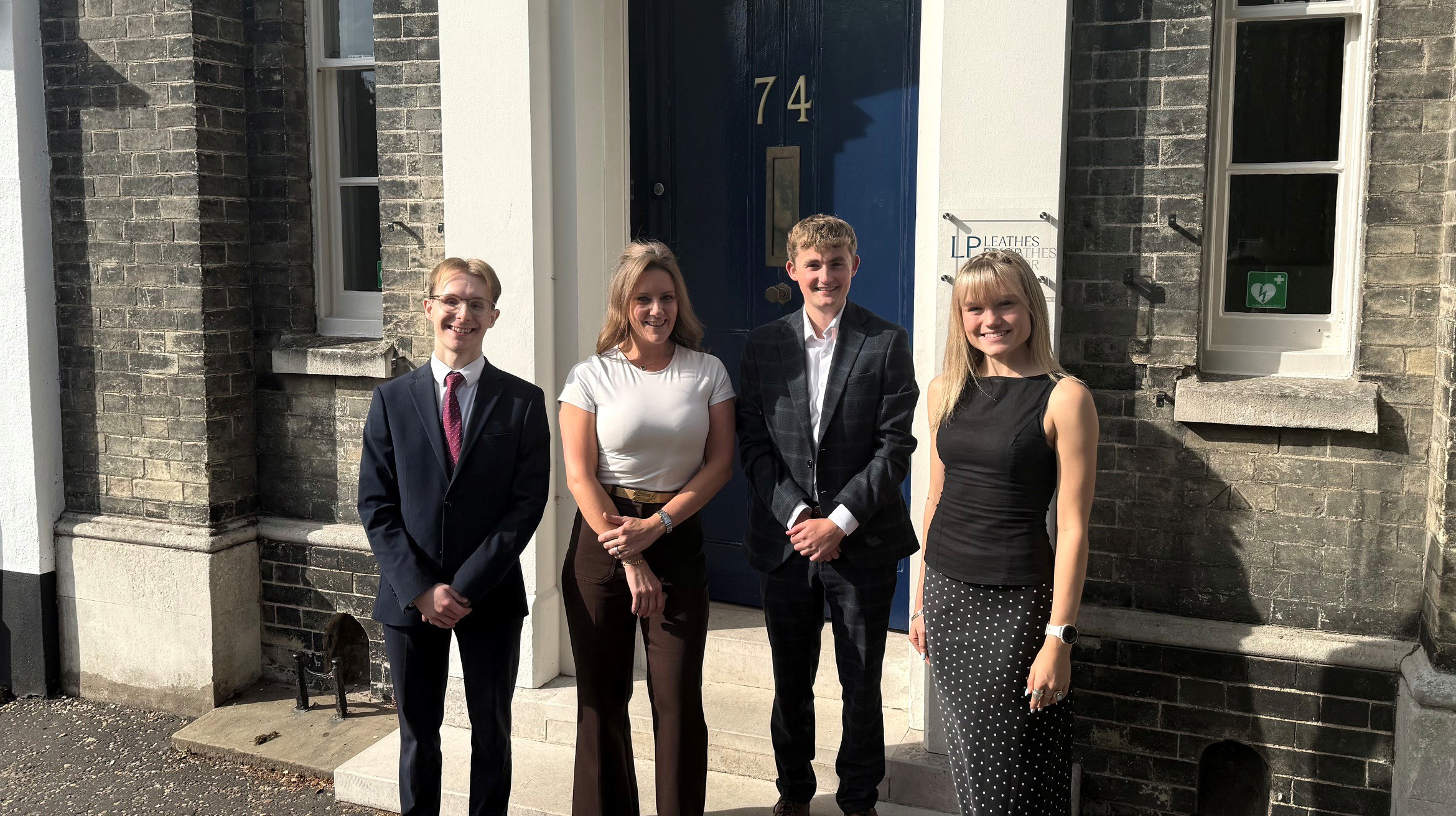
At Leathes Prior, we understand bringing a claim can seem daunting, especially if you are also living with injuries sustained as a result of another party’s negligence. Our Personal Injury Team is here to support you each step of the way, guiding you through the process so you don’t feel alone.
The first step to feeling confident in bringing a personal injury claim is to understand what that claim will involve and the various steps of the process. As such, we thought it would be helpful if our Personal Injury Team provided a brief overview of how the process works so that you know what to expect.
- The first stage in bringing a personal injury claim is the enquiry stage. Here you will speak with one of our team who will take details of the incident in which you were involved, the injuries you have sustained, and the impact it has had on the lives of you and your loved ones. We will also take details of your losses, including any loss of earnings. Once we have this information, we can make a decision as to whether we are able to act for you and, if so, provide you with the details about funding your claim.
- Once you have formally instructed us, we will notify the party on the other side about the details of your claim. We will also obtain your medical records and any other documents which may assist us.
- Once the other party has the details of your claim, they will likely notify their insurer. The insurers will then have 3 months to conduct their own investigations and provide us with their position on liability, i.e. whether they admit the incident was their fault. The other party may also offer to provide you with rehabilitation, such as physiotherapy, at their expense whilst the claim is ongoing.
- We will need to instruct an expert to assess you and provide a report on your injuries, treatment, and prognosis. Depending on the extent of your injuries, we may need to instruct more than one type of expert, and their findings will help us to value your claim. The other party may also instruct their own experts to assess you as well.
- Once we have all the medical evidence and evidence of your losses, we will disclose this information to the other side and make an offer of settlement. The other side may then choose to accept that offer or make a counter-offer. Negotiations will then continue until an agreement is reached (if possible).
- In some cases, it may be necessary to issue court proceedings and, if this is the case, we will provide you with the information and support to guide you through this process.
Settling/reaching a conclusion in respect of a personal injury claim can take time, but our team will be available to answer your questions and provide you with reassurance each step of the way.
If you think you have a potential claim you'd like to discuss with our Personal Injury & Clinical Negligence specialists, please do get in touch with the team via info@leathesprior.co.uk or call 01603 610911, we look forward to working with you.












%20copy.jpg)