Leathes Prior welcomes two new Trainee Solicitors to the firm
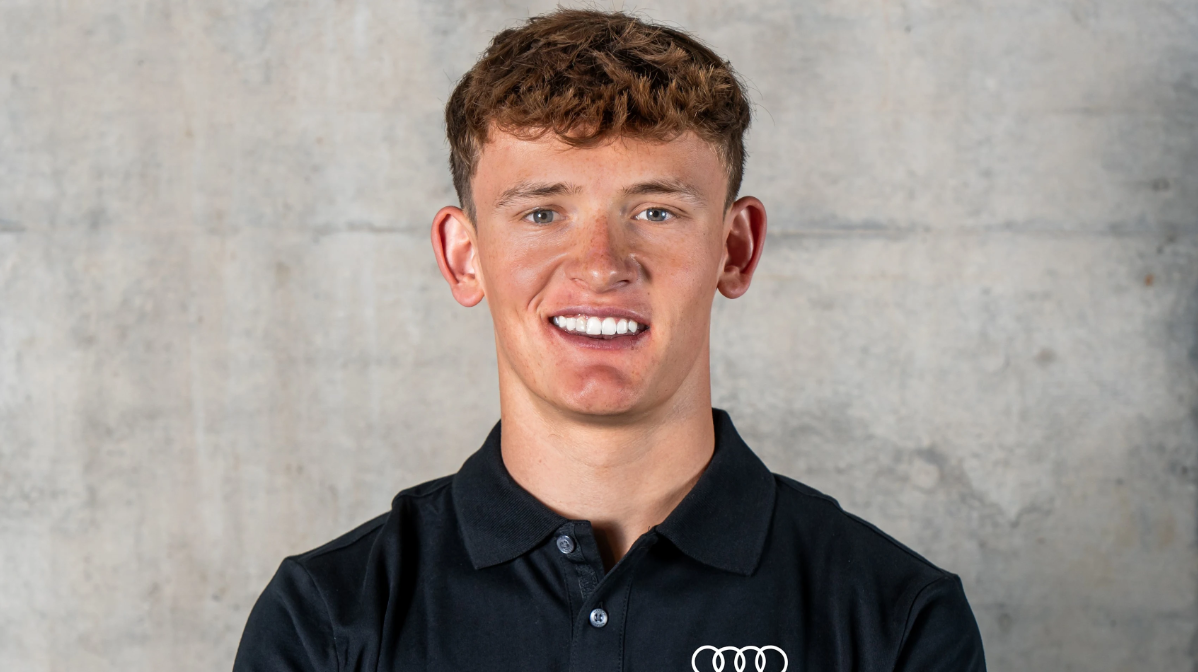
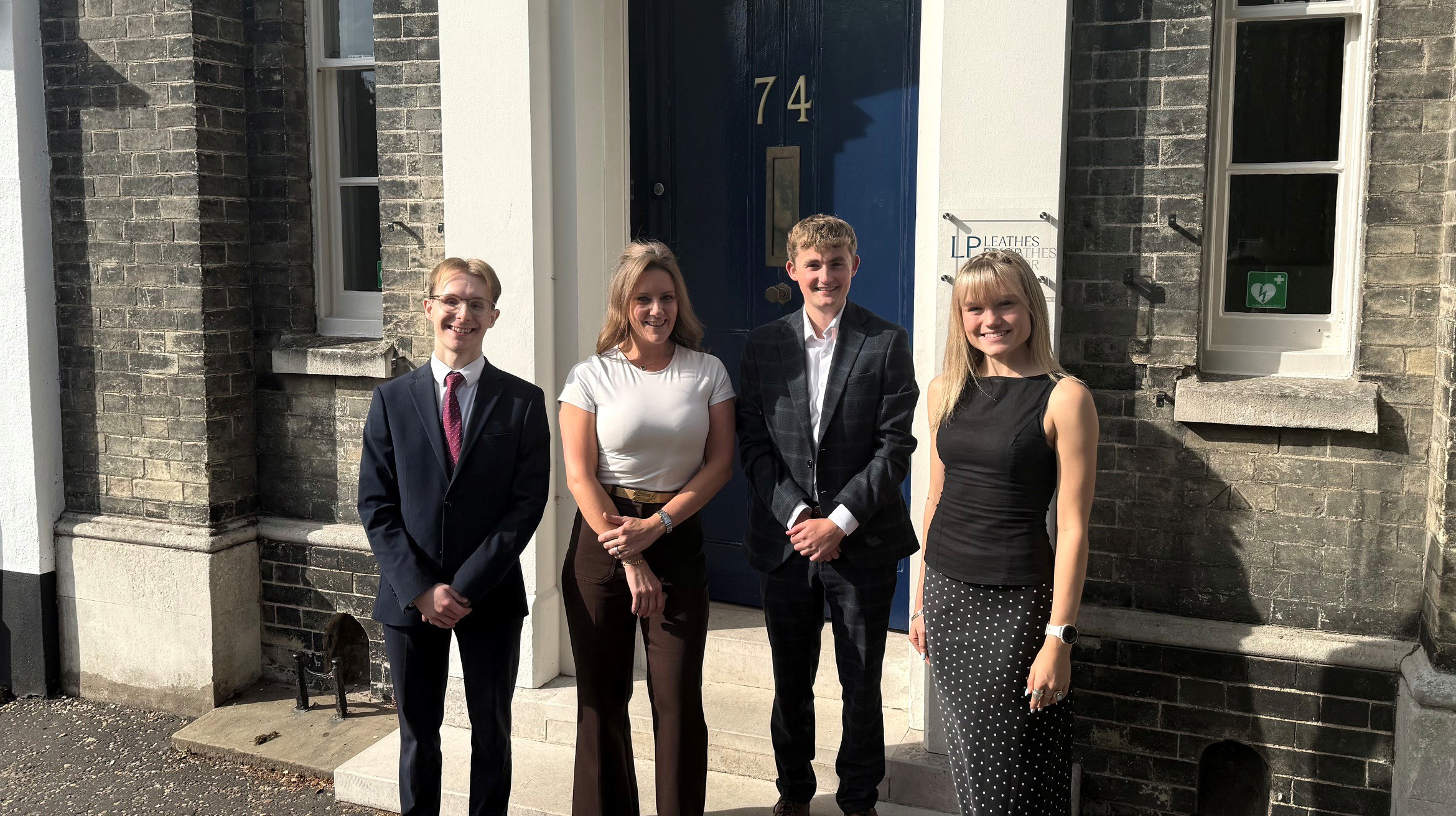
Leathes Prior welcomes two new members of staff with the recruitment of Trainee Solicitors Anneke Micallef-Eynaud and Myles Chingara.
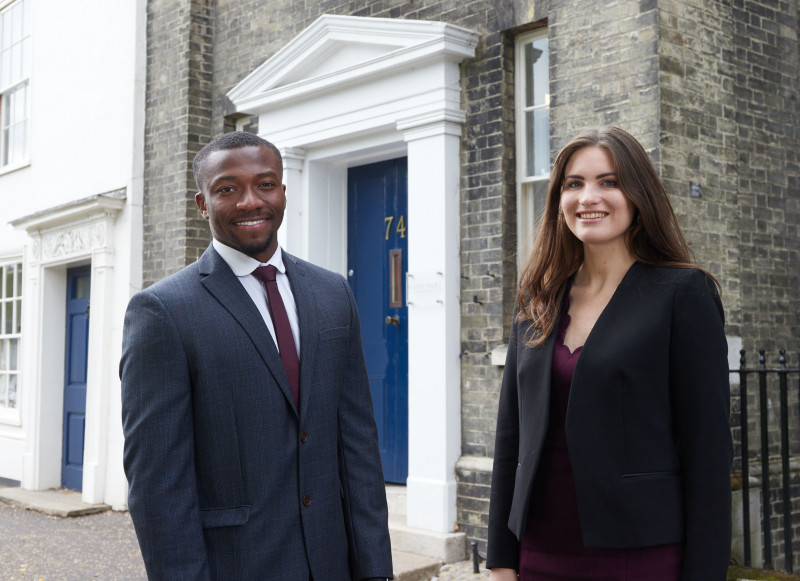

Leathes Prior welcomes two new members of staff with the recruitment of Trainee Solicitors Anneke Micallef-Eynaud and Myles Chingara.
Anneke graduated from Durham Univeristy with a BA (Joint Honours) in Philosophy and Theology in 2015. She then completed her Graduate Diploma in Law in 2016, and Legal Practice Course (LPC) and Master of Laws in 2017 at the University of Law. Anneke is trilingual, fluent in English, German and Maltese.
Myles graduated from the University of Lincoln with a law degree in 2015. Following this, he completed a Masters in International Business Law at Kings College London in 2016. Myles then took a year out to travel and work in different industries including retail and cuisine. He recently completed his LPC at BPP Cambridge in 2018.
Dan Chapman, the Partner and Training Principle at Leathes Prior said “The firm is delighted to welcome our new trainees to the firm and I wish them the best of luck in their careers at Leathes Prior. We have very high hopes for the two of them after they secured their places with us following a very competitive selection process.”











%20copy.jpg)