Adverse weather conditions
It’s snowing! The snow has actually been a bit of a pain for me this week. I missed what sounded like an excellent Society of Construction Law course in Cambridge on the new NEC4 contracts on Monday and a no doubt very informative Strutt & Parker property briefing on Wednesday because of snow related traffic.
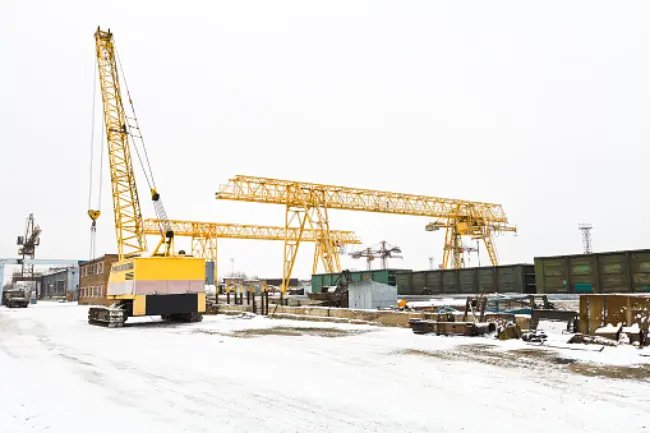

It’s snowing!
The snow has actually been a bit of a pain for me this week. I missed what sounded like an excellent Society of Construction Law course in Cambridge on the new NEC4 contracts on Monday and a no doubt very informative Strutt & Parker property briefing on Wednesday because of snow related traffic. My apologies to both of those organisations again for missing out.
Bad weather does, of course, have a big impact on a construction project. Often everything grinds to a halt. So who bears the financial burden of such weather? It is no-one’s fault that the projects must come to a stop but the employer will likely face an unwanted delay and the contractor could be out of work for the duration.
The current version of the JCT contract establishes that ‘exceptionally adverse weather conditions’ qualify as a relevant event (the phrase “inclement weather” was used in older versions), entitling a contractor to give the employer notice of a delay in progress and therefore amend the completion date. So what is ‘exceptionally adverse weather’? The JCT contract provides no definition or clarification. In Walter Lawrence & Son v Commercial Union Properties [1984] the court found that “exceptionally inclement weather” (under the old wording) was to be assessed on the basis of the weather itself, rather than the impact on time lost. In other words, the contractor will be entitled to an extension of time if there is exceptionally adverse weather conditions, even if the impact on the works themselves is relatively unexceptional.
The judge in the Walter Lawrence case also found that the effect of adverse weather was to be assessed as at the time when the work was actually carried out rather than when scheduled to be carried out. The contractor is entitled to an extension of time even if the contractor is in culpable delay. For example, if the contractor was due to do indoor painting (which probably would not be affected by snow) between 26 February and 1 March 2018 (when it was snowing) but instead was delayed in the project such that it was instead doing roofing works, the contractor still gets that extension of time.
JCT contracts do not class adverse weather conditions as ‘relevant matters’ which prohibits entitlement to loss of expenses, therefore the contractor retains the financial risk. However, the contractor should get an extension of time.
The NEC Contracts provide a clearer definition and state that severe weather is where the weather over the calendar month has occurred on average less than once in ten years. Furthermore, the NEC contract data, to be agreed between the parties, specifies the type of weather conditions to be taken into account, allowing for the nature of the works. When interpreting the NEC contract, regard must be paid to 60.2 and 60.3 which detail what matters the contractor is assumed to have accounted for which generally includes the impact of weather, provided that it is not very severe. Severe weather will shift the burden onto the employer.
Neither contract, regrettably, provides permission to the contractor to build snowmen on site. Shame.














%20copy.jpg)